

Seymchan meteorite — as old as the Solar System
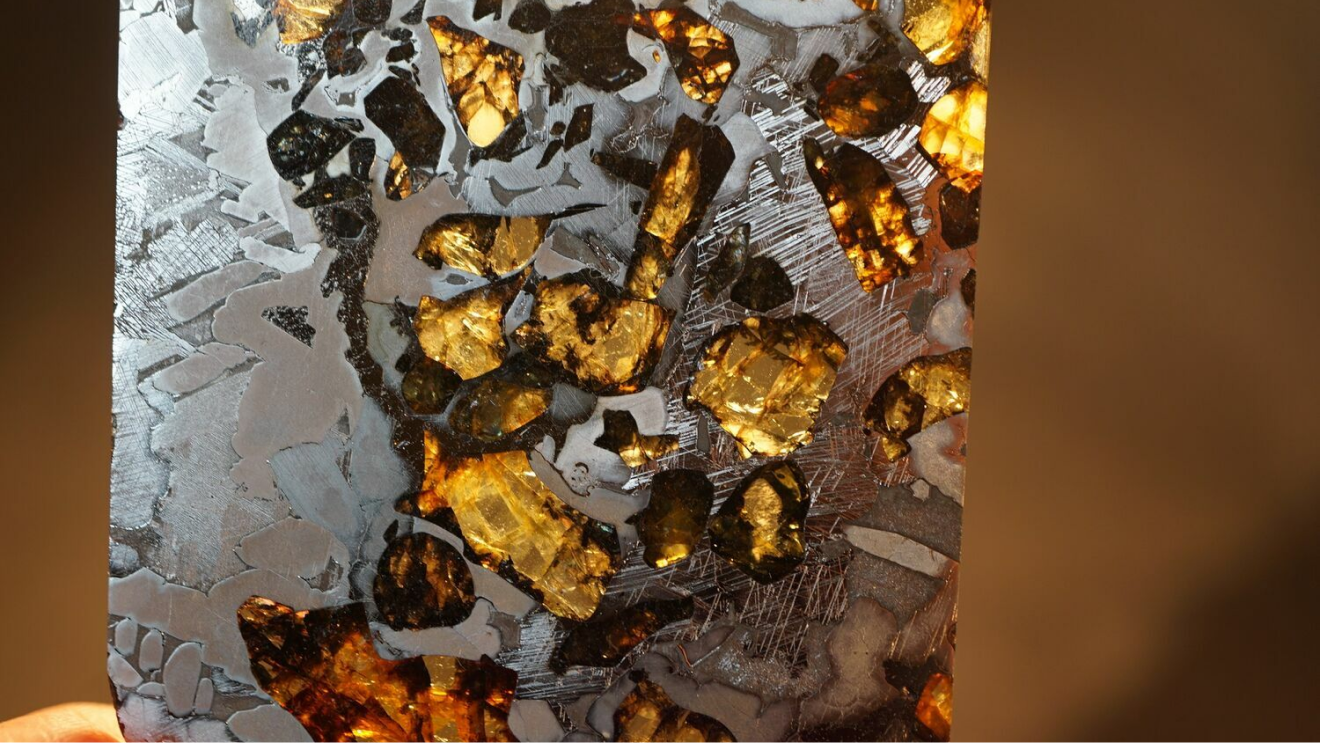
One of the best-known meteorites among collectors.
The first specimen was found in June 1967 in a stream bed.
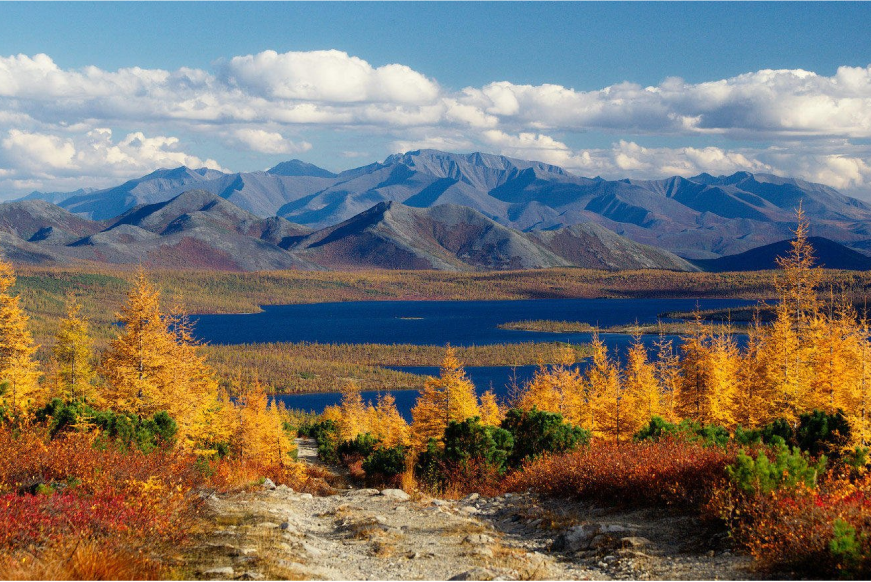
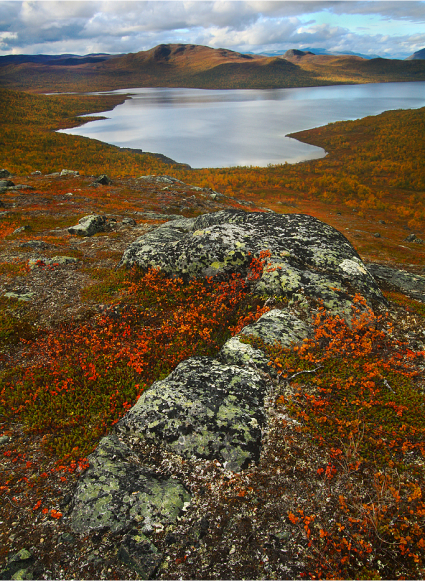
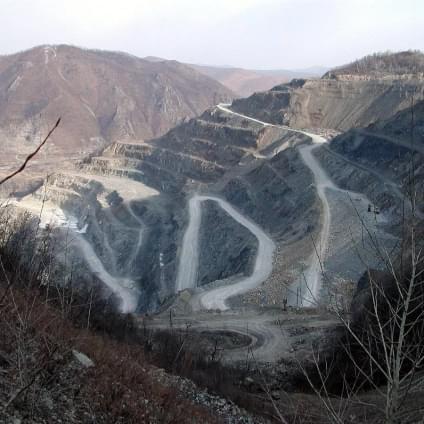
The meteorite's impact site
The Seymchan meteorite was discovered
in 1967. The impact site was located after many local residents reported a loud explosion accompanied by a bright flash of light.
The Seymchan meteorite is a bar-shaped fragment around two metres long and weighing about 700 kilograms. It consists
mainly of iron and nickel,
with small amounts of platinum and other metals.
Seymchan is considered one
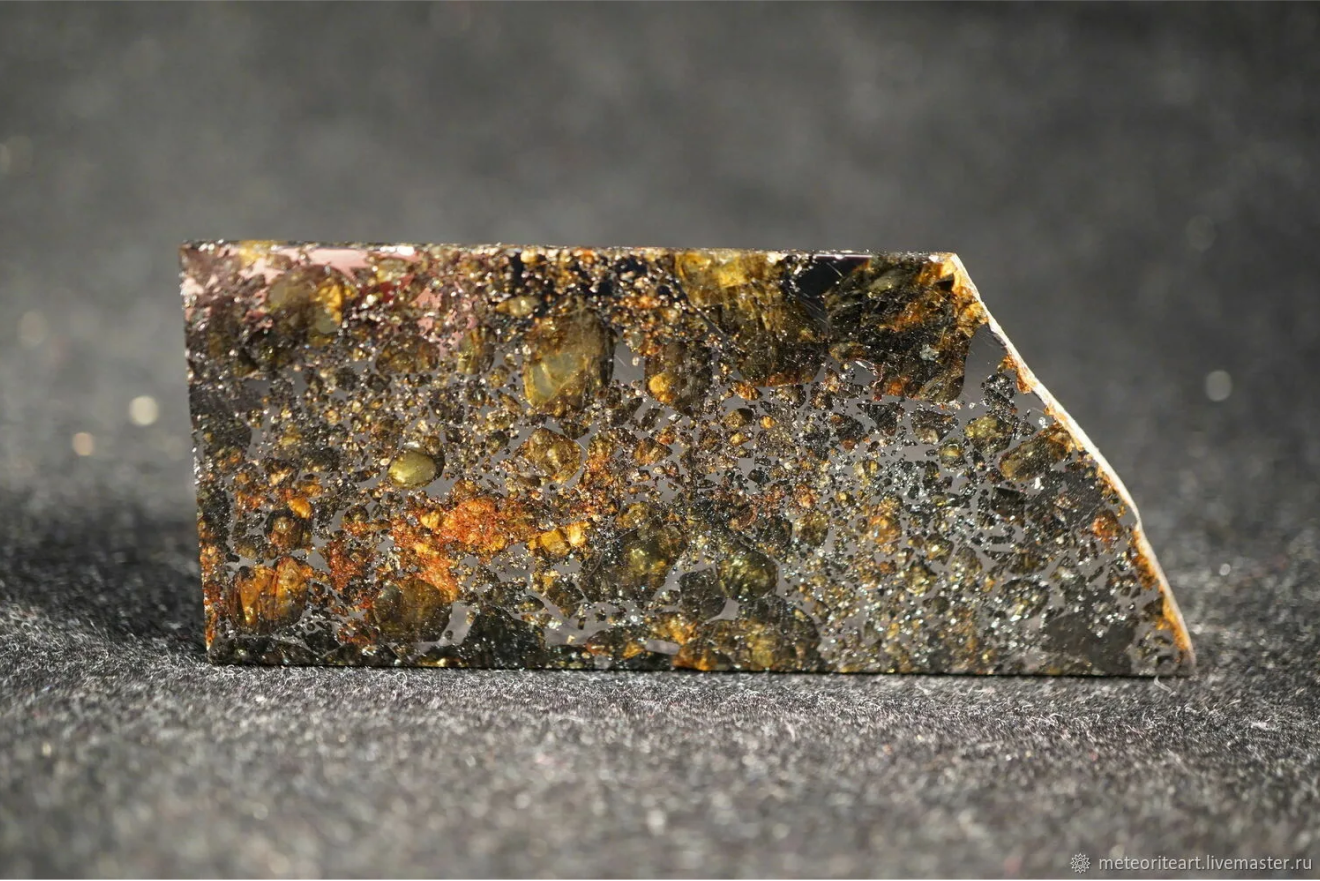
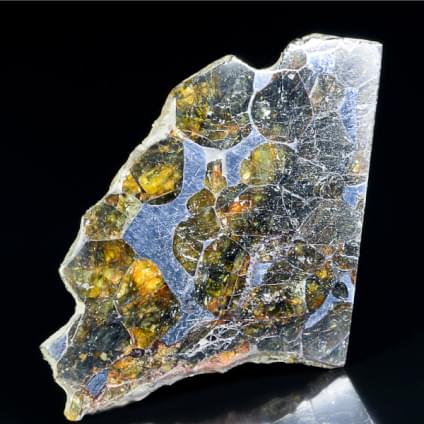
of the most beautiful meteorites in the world because of its texture, formed as the metal cooled after melting during its fall
to Earth. Many fragments feature striking patterns, making it popular with collectors and space enthusiasts.
How it was discovered
The Seymchan meteorite was discovered
in 1967 during geological fieldwork.
The expedition was sent
to search for meteorites after
numerous
residents of Seymchan in Yakutia reported
loud noises
and earthquakes in the area in March 1967. These phenomena
continued
for several days and then stopped.
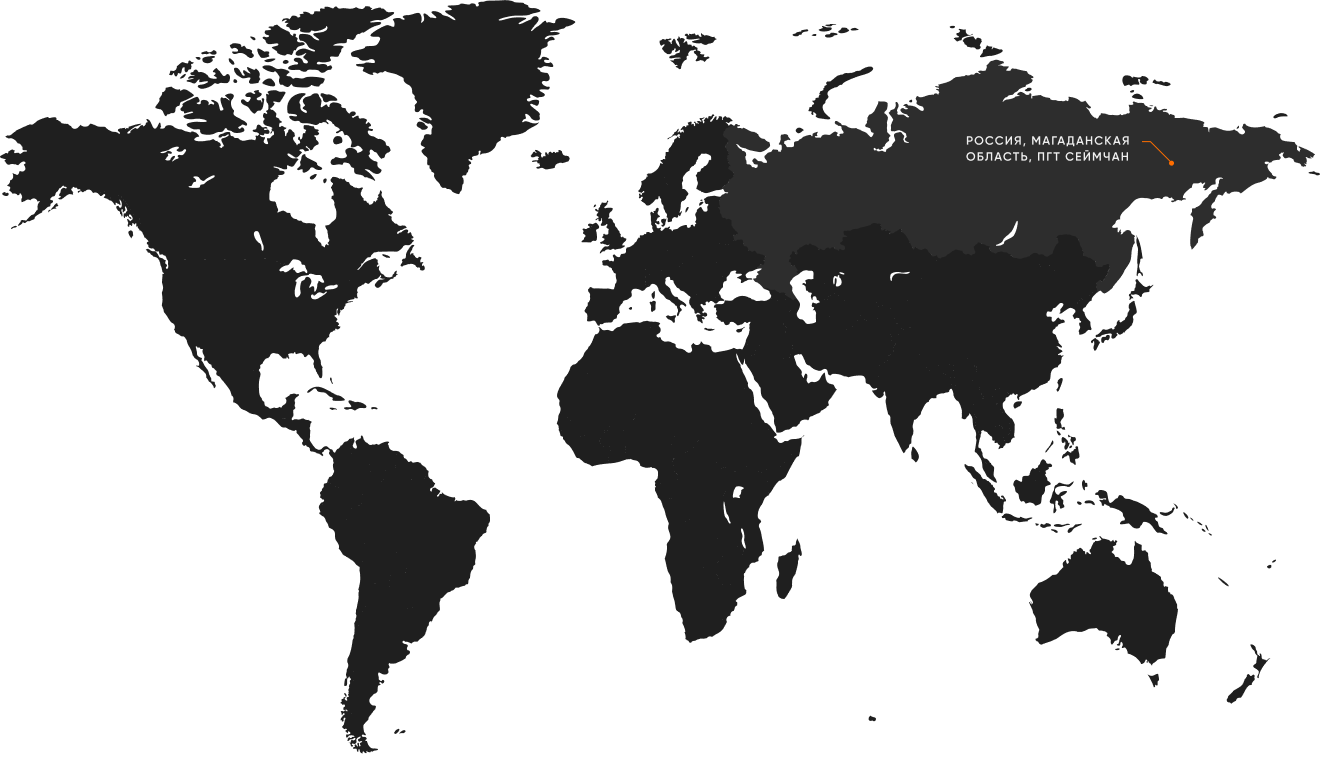
The expedition found the Seymchan meteorite three kilometres south of the settlement
in Yakutia. It had an unusual shape and weighed around 280 kg. It was
classified as a type IIA palladium-bearing iron meteorite and is considered
one of the largest of its type ever found on Earth.
Age
of the meteorite
Seymchan
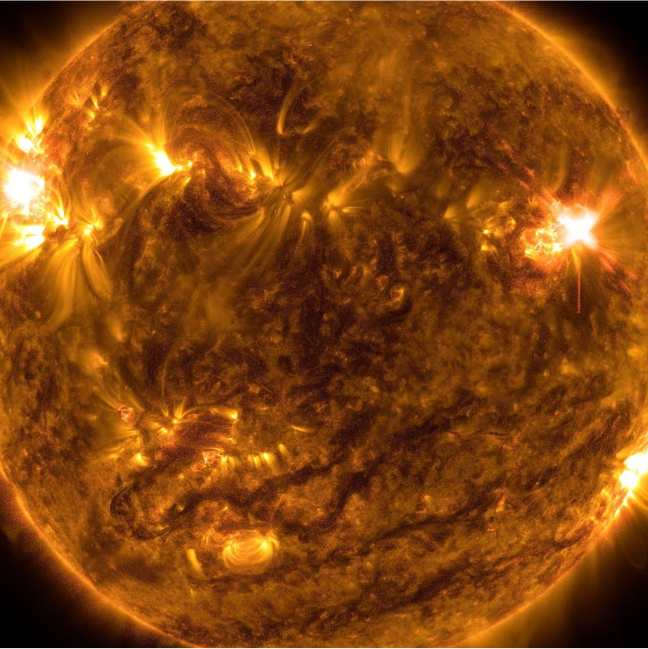
Its age was determined by radiocarbon dating
at around 4.6 billion years, corresponding to the age of the Solar System.
Composition of the Seymchan meteorite
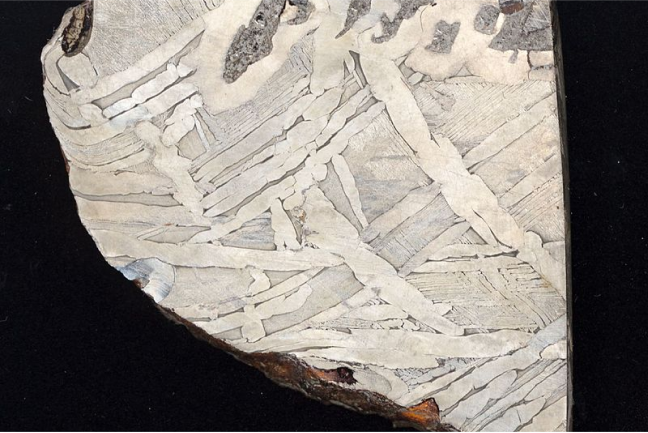
It is a carbonaceous chondrite consisting mainly
of the following minerals:
- Olivine — (Mg,Fe)2SiO4
- Bronzite — (Mg,Fe)SiO3
- Pyroxene — Ca(Mg,Fe)Si2O6
- Tritonite — (Fe,Mg)3Si4O10(OH)2
- Trittachnite — (Fe,Mg)2Si3O8
- Metallic iron-nickel
This meteorite also contains many other minerals
in smaller quantities, including
phosphates, sulphides and oxides. Its overall composition can vary depending on the specific sample examined.
Properties
and distinctive features
of the meteorite
The Seymchan meteorite has an unusual shape,
resembling a hollow
or a kettle. This is due
to erosion that occurred during
its fall
and exposure to atmospheric
conditions.
It has a metallic lustre
and a smooth surface
with distinctive protrusions
and bumps that
formed
through erosion.
It is a unique object,
with a structure
and composition unlike other known meteorites.
It is of great scientific importance
for studying
the composition and evolution of the Solar System and
for
advancing the study of celestial objects.
there are only
38 similar meteorites
made of stony-iron
material
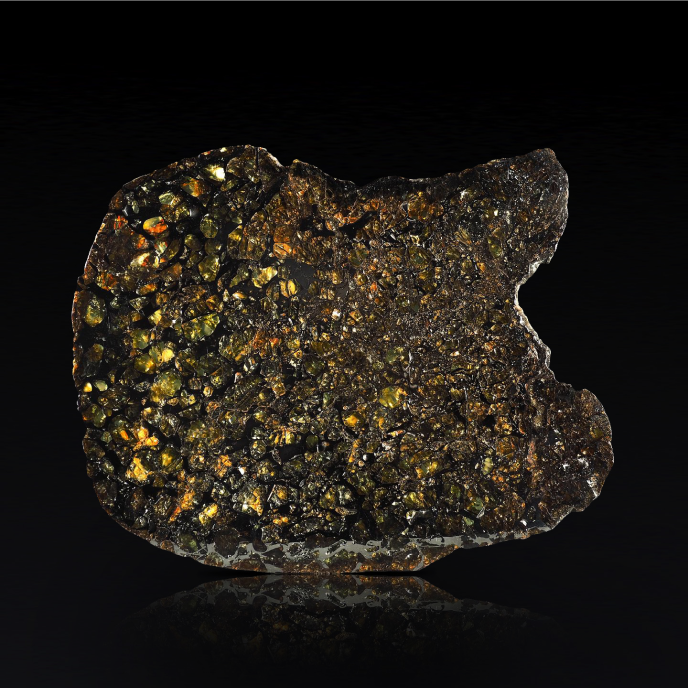
This Seymchan specimen has passed
all inspections and is now available
in our store


Discover more
reviews of new
exclusive finds


Need help
finding
a unique
specimen?
Let us help you find it
The Seymchan meteorite was
discovered in 1967. It is a
chondrite, meaning that it consists
mainly of rock formed in the early
Solar System. One
of the interesting features
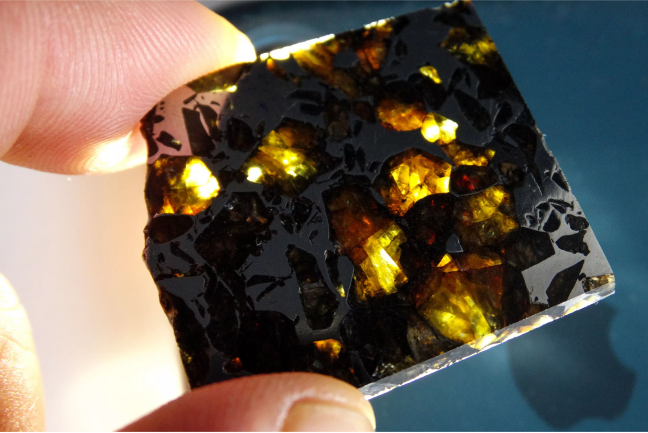
of Seymchan is the presence of large grains of
olivine.
Olivine is a mineral commonly found
in Earth's mantle and in some meteorites. Olivine
is an important indicator of processes that
occurred in the early Solar System, such as the
temperatures
and pressures under which materials
formed.
at Natural History